
So you’re staring at a cracked, sunken patio or a driveway that looks like a relief map, and you’re thinking, “Just pour fresh concrete over it and call it a day.”
Hold up. That shortcut can cost you double the price within two years. Before a single truck shows up, there are a few things that separate a job you’ll love from one you’ll regret every time you pull into the garage.
Why pouring over old concrete is a bad idea
Concrete doesn’t bond well to old, dirty concrete. If you just cap it with a skim coat or a couple of inches of new material, you’re creating a time bomb. Moisture gets trapped between the layers, freeze-thaw cycles do their thing, and the new surface starts cracking or flaking off before you’ve even paid off the credit card.
Worse, if the old slab is still shifting because the base underneath was lousy, the new top coat will just mirror every crack below. It’s like putting new wallpaper over a crumbling wall, it looks fine for a moment, then the bumps show up.
In most cases, proper concrete removal is the only way to break the cycle. Tear out the old, fix the base, pour fresh. It’s not the quick fix people want to hear, but it’s the one that actually lasts.
When to pull it out, and when you can save it
Not every old slab needs to go. A few questions to ask:
- Are the cracks just hairline, or has one section sunk half an inch?
- Is water pooling against the foundation because the slab tipped the wrong way?
- Do you hear a hollow sound when you tap it, meaning the soil underneath has washed away?
- How many times has it been patched already?
If the slab is basically sound, with only minor surface wear, a good pressure wash and a resurfacer might buy you five or six years. But if it’s heaved, sunken, or crumbling at the edges, any attempt to patch is just a band-aid. Full concrete removal is cheaper in the long run than pouring twice.
What actually happens during removal
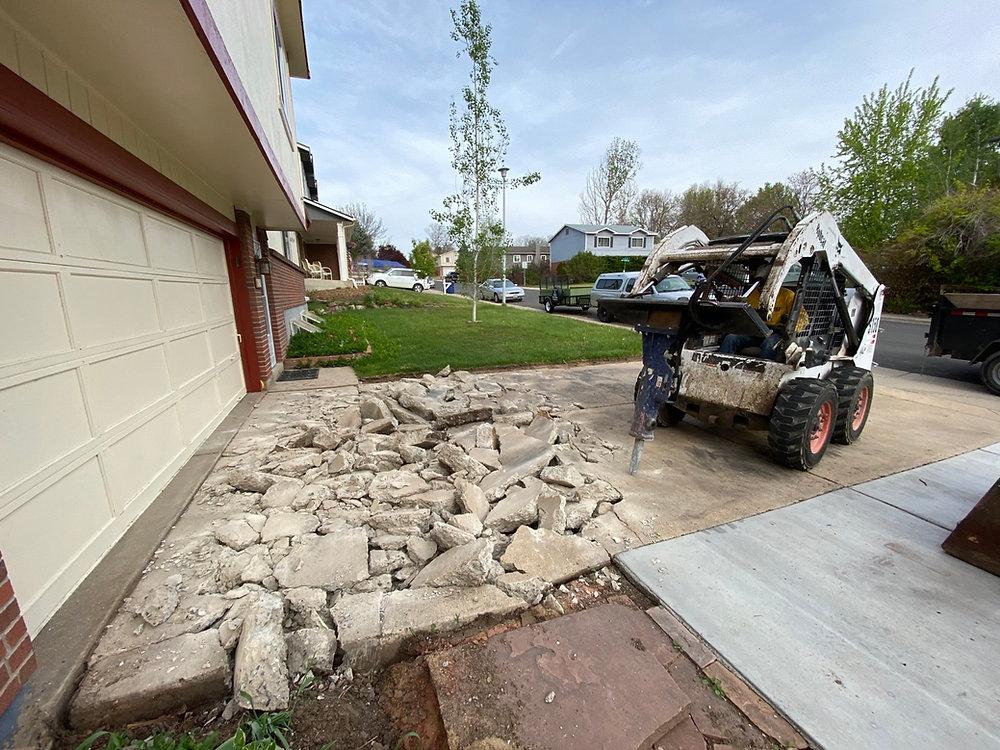
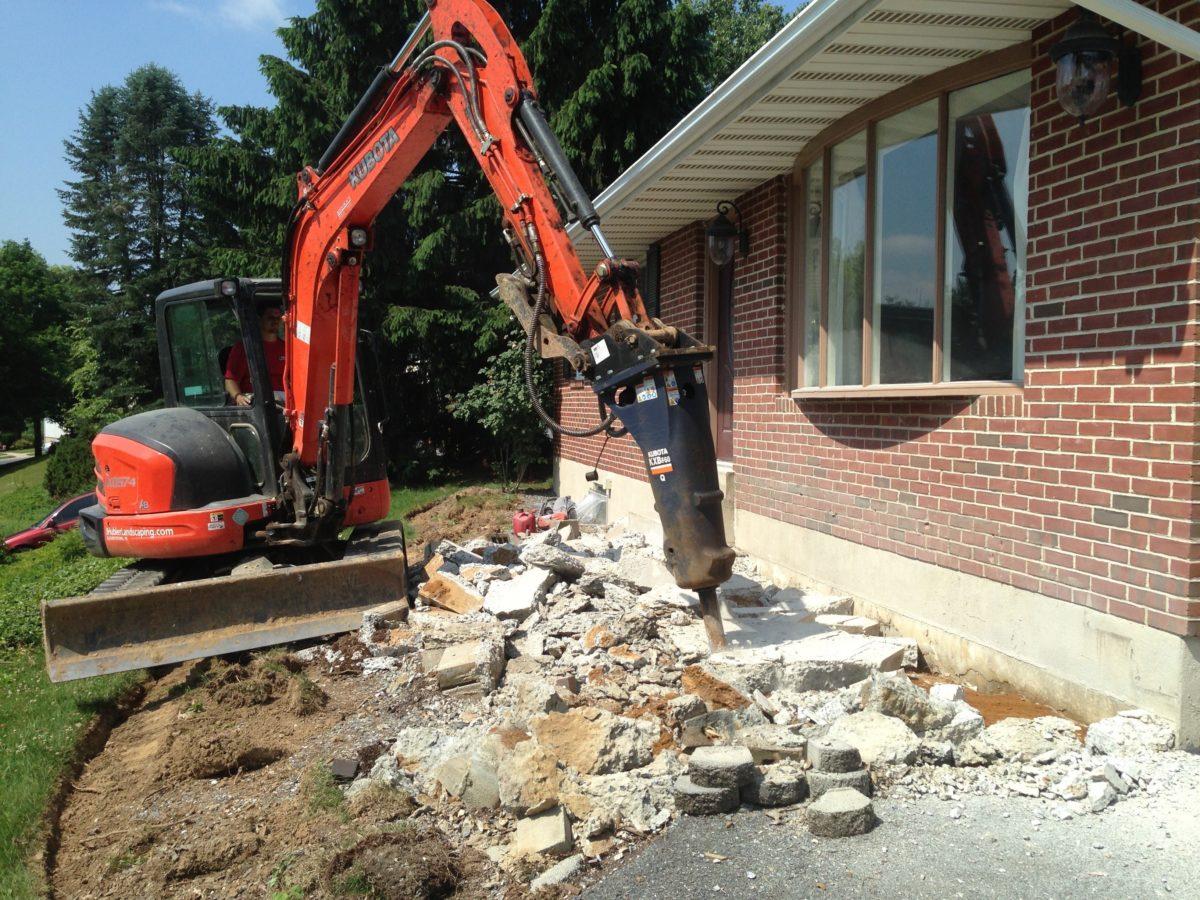
If you’ve never seen a crew tear out a driveway, it’s louder and faster than you think. A skid steer with a hydraulic breaker or a jackhammer splits the old slab into chunks. Those chunks get loaded into a truck or bin and hauled away.
Here’s where people forget a step: the base. Once the old concrete is gone, you can actually see what’s underneath. Often there’s mud, clay, or a thin layer of sand that was never properly compacted. That’s the real culprit behind most failures. A good contractor will dig down, add fresh gravel, compact it in layers, and only then set forms for the new pour. Skipping that step is like building a house on a dirt floor.
If you’re in the Lower Mainland and need old concrete hauled away, a quick search for a reliable junk removal Surrey BC service will connect you with local crews who do this kind of heavy work every day. They bring the right bins and breakers, which can save you dealing with a messy roll-off container on your own.
What happens when you try to remove concrete yourself
Renting a jackhammer and a bin sounds easy until you’re on hour four, your hands are vibrating, and you’ve filled only a third of the container. Concrete is heavy. A 10-by-10 slab, just four inches thick, weighs close to five tons. That’s a lot of trips to the dump if you don’t have a heavy trailer.
For a small walkway or a tiny shed pad, maybe. For a full driveway or a pool deck, letting a professional team with the right gear like kinsley junk removal handle the concrete removal is money well spent. You’re paying for speed, disposal, and most importantly, not hurting yourself.
A few things nobody tells you
- Check for buried surprises. Old fuel tanks, abandoned downspout drains, and mystery pipes sometimes hide under slabs. Removal day is when you find out.
- Permits might apply. Some municipalities want to see a permit for a new driveway if the curb cut is involved. Your concrete crew will usually know.
- Think about drainage before the pour. Now’s the time to add a channel drain or correct the slope away from the house. It’ll never be cheaper or easier.
- Recycle the rubble. Crushed concrete makes excellent base material for the new pour. Many removal services crush and reuse it on site or nearby, which keeps tipping fees down.
What you'll actually spend (and where the money goes)
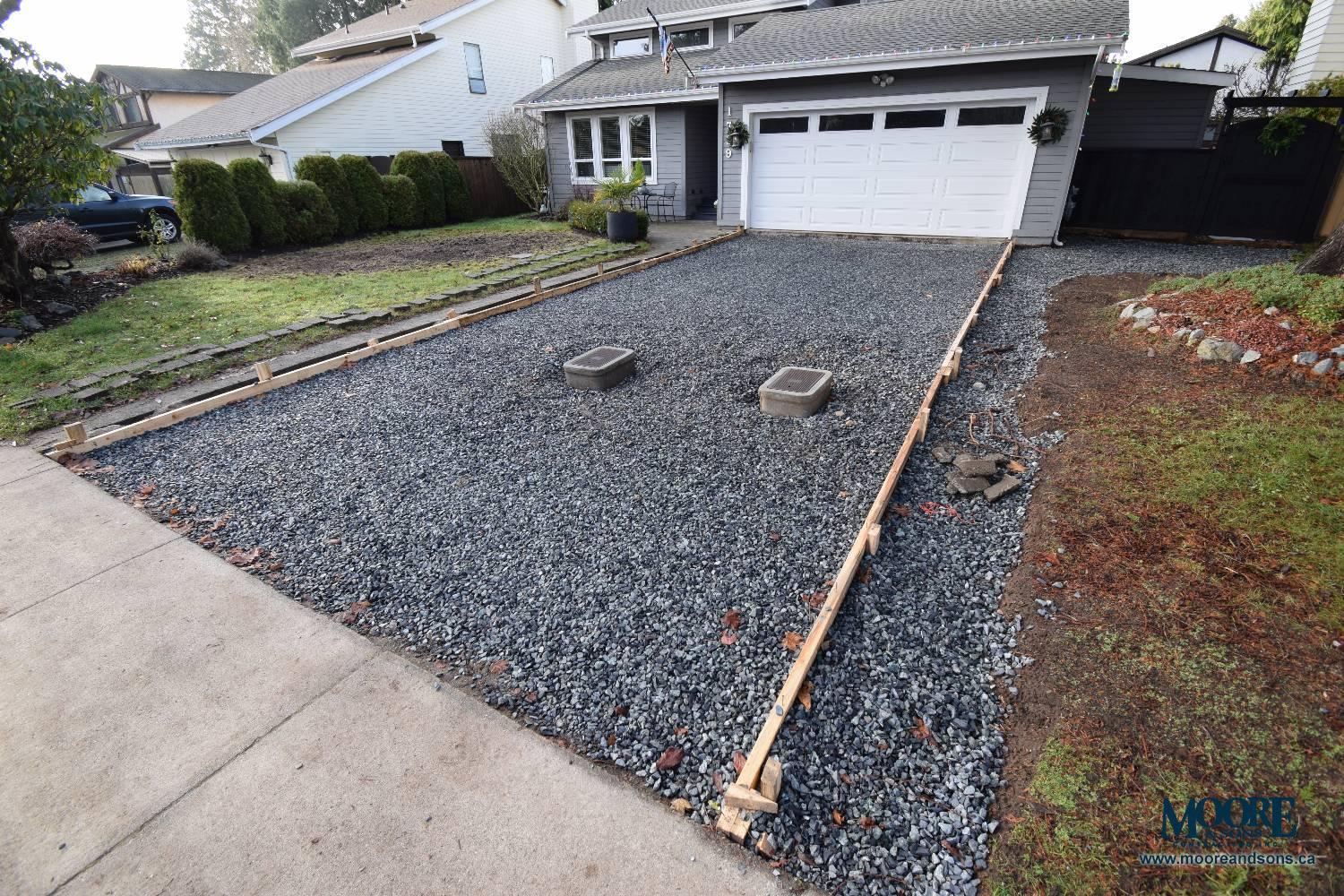
Pricing varies wildly by region, access, and how much steel is in the old slab. But here’s a rough idea: removing an old driveway, prepping a new base, and pouring fresh typically costs less than pouring a second time because you skipped removal. Get three quotes, ask what’s included in the disposal fee, and make sure the quote spells out base depth. If one bid is suspiciously low, odds are they’re skimping on gravel.
Quick takeaways before you start
- Pouring over old concrete usually fails because the bond is weak and the base problems remain.
- Full concrete removal pays off when the slab has moved, cracked badly, or trapped water against the house.
- Don’t forget the base, it matters more than the pretty top.
- For big jobs, hire a team that can handle both demolition and haul-away. If you’re local, a quick look for concrete removal Surrey BC will connect you with folks who do this all day.
- If you do go the DIY route on a small scale, know the weight you’re dealing with and rent proper gear.
- Fix drainage and any hidden pipes while the ground is open.
FAQs
Sometimes, if the concrete is stable, cracks will eventually reflect through. For a long-lasting job, full removal wins.
Once the concrete is out, the soil below should be firm and dry. If it’s spongy or wet, it needs to be dug out and replaced with compacted gravel.
Heavy equipment leaves tracks. A good crew uses plywood or mats and discusses access before they start. Talk it through so you know what to expect.
Spring through early fall is ideal. Pouring in freezing weather requires additives and blankets, which can drive cost up.
Foot traffic after 24 hours. Vehicles usually need at least seven days for the concrete to cure enough to handle weight.
If you’re staring at an old slab that needs to go before you pour, give us a shout at Kinsley Junk Removal, we handle concrete removal Maple Ridge and right through Maple Ridge and the surrounding spots, and we’ll have it out of your way fast.