
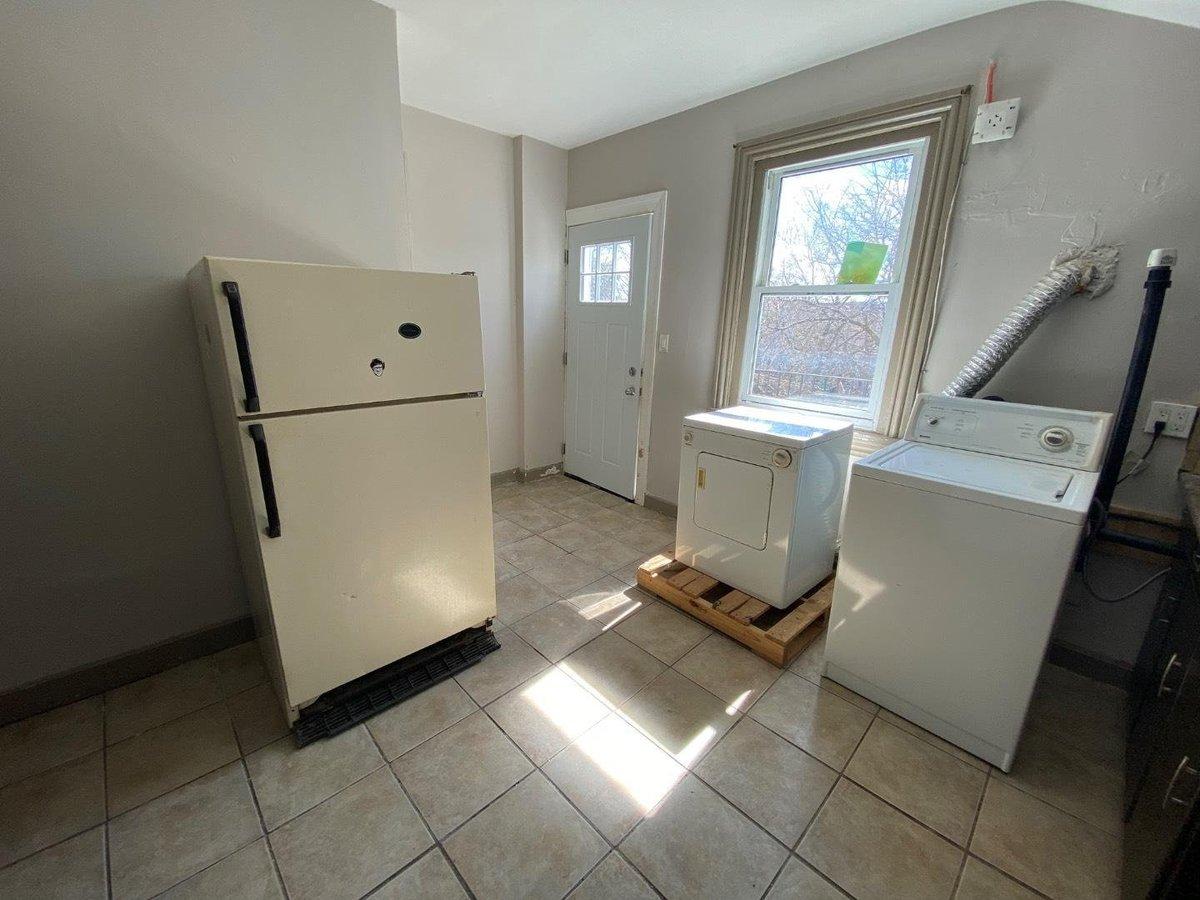
The dryer finishes its cycle, and you open the door. The clothes are still damp. You run it again. Same thing. By the third cycle, you’re hanging jeans over a chair and wondering how long this has been going on.
Most of us put up with a tired appliance far longer than we should. It still works, kind of. It’s easier to nurse it along than to shop for a new one. But there’s a point where “kind of working” costs more than it saves, in repair bills, in power, and sometimes in safety.
If your place in Burnaby has appliances that are getting up there, here are seven signs it’s time to say goodbye. And once you’ve decided, you’ll need a plan for the old one. That’s where appliance removal in Burnaby comes in, because a fridge or a stove isn’t something you can just leave on the curb.
Key Takeaways
- A repair that costs more than half the price of a new one usually isn’t worth it
- Most big appliances have a rough lifespan of 10 to 15 years
- Rising power bills can point to an old, inefficient machine
- Leaks, smells, sparks and frayed cords are safety warnings
- Fridges and freezers hold refrigerant, so they need proper handling
- Plan the removal before the new one arrives, especially in a condo
1. The Repairs Keep Piling Up
One repair is normal. Two in a year is a pattern. A common rule of thumb is that if a fix costs more than half the price of a new appliance, put the money toward a replacement instead.
Think about what you’ve already spent, too. If you replaced the pump last spring and the thermostat last fall, the next part is probably already on its way out. A repair doesn’t make the rest of the machine any younger.
2. It’s Getting Old
Age matters. As a rough guide, many refrigerators last around 10 to 15 years. Washers and dryers often hit the wall at about 10 to 13. Dishwashers tend to run 9 to 12 years, and ranges can go 13 to 15.
These are just ballpark numbers, and some machines last longer. But if yours is near the end of its range and starting to act up, it’s smart to start planning. Look for the model sticker, which is usually inside the door or on the back. It often shows the date it was made.
3. Your Power Bills Are Creeping Up
Older appliances use a lot more energy than newer ones. A fridge from 15 years ago can use far more electricity than a modern one, and it runs all day, every day.
If your bills have been climbing and nothing else has changed, an aging fridge, freezer or dryer could be part of the reason. Newer models with the ENERGY STAR label are built to use less. It’s also worth checking with BC Hydro and FortisBC about any rebates for energy-efficient appliances, since offers change from year to year.
4. Strange Noises, Leaks or Smells
Appliances talk to you. You just have to listen.
Loud grinding, banging or squealing often means worn bearings or a failing motor
Water pooling under a washer, dishwasher or fridge points to a bad hose, seal or pump
A musty smell can mean mold in a washer drum or a fridge drain
A burning smell from a dryer or oven needs attention right away
Small leaks can do big damage over time, especially in a condo, where water can seep into the unit below. If you’re seeing puddles, don’t wait.
5. It Just Doesn’t Work Like It Used To
Sometimes there’s no big failure, only a slow slide. The fridge doesn’t keep things quite as cold. Ice cream is soft, and milk goes bad early. The oven runs hot or cool, and your cookies burn on one side. The dishwasher leaves a white film on the glasses. The washer leaves clothes soapy.
These are signs the machine is wearing out. They’re easy to ignore because they happen gradually, and then one day you realize you’ve been working around the problem for a year.
6. There Are Safety Warning Signs
This is the one that matters most. Stop using an appliance and get help if you notice:
- Sparks, scorch marks or a burning smell
- A frayed or damaged power cord
- A door seal that’s cracked or won’t close
- Shocks when you touch it
- A gas smell near a stove or dryer
If you smell gas, leave the home right away and call your gas utility’s emergency line or 911 from outside. Don’t flip switches.
It’s also smart to check Health Canada’s recall list. If your model has been recalled, it’s not worth the risk.
7. You’re Renovating, Moving or Downsizing
Sometimes the reason isn’t a breakdown. It’s a change in life.
Maybe you’re redoing the kitchen, and the old appliances don’t match or don’t fit the new layout. Maybe you’re moving out of a Metrotown condo and don’t want to haul a 15-year-old fridge to the next place. Maybe your family has grown, and you need a bigger washer. Or you’re downsizing, and half the stuff in the house has to go.
This is a great time to replace, and a great time to plan removal. Doing it before moving day or before the contractor arrives saves a lot of stress.
What Should You Do With the Old One?
This is where a lot of people get stuck. A big appliance weighs a lot, and it’s awkward to move. In many cases, it can’t just go out with the regular garbage.
Here are your options:
City large-item pickup. Burnaby has a program for eligible households. Houses and duplexes can include up to three items per pickup, while condos, apartments and townhomes can book up to six items per complex. There are rules about what’s accepted, so check the City’s website first.
Retailer haul-away. Some stores will take your old unit when they deliver the new one, often for a fee. Ask before you buy.
Drop-off. Burnaby’s Eco-Centre accepts many recyclable materials, but you’ll need a vehicle that can safely carry the item.
A local removal company. For heavy lifting, stairs, elevators or several items at once, calling a local team for junk removal Burnaby homeowners rely on is often the simplest fix. They lift, load and haul it away, and they sort materials for recycling where possible.
One thing to remember: fridges and freezers hold refrigerant that must be removed by trained people. Never dump or abandon them. It’s bad for the environment, and illegal dumping can lead to fines.
Tips for Condos and Apartments
Burnaby has plenty of high-rises around Metrotown and Brentwood, and getting a big appliance out of a tower is trickier than from a house.
Book the elevator. Most strata buildings require you to reserve it for moves and deliveries.
Check the rules. Some buildings limit move times or need a deposit.
Measure the path. Hallways, corners and doorways can all be tight.
Plan the parking. The truck needs a loading spot, and underground garages often have height limits.
When you call a company that does appliance removal in Burnaby, tell them about the building. Good crews can plan around stairs, elevators and loading zones. It helps to know the floor, the type of elevator and where they can park.
Before You Call Anyone
A little prep makes the job go faster.
- Empty the appliance. Take out food, shelves and loose parts.
- Defrost a fridge or freezer a day ahead, and put towels down for the water
- Unplug it. Shut off the water and gas lines if it’s connected.
- Take a few photos and note the size and location.
- Have access details ready, like stairs, elevator times or parking.
If you’re not sure how to disconnect a gas or water line, ask a licensed pro. It’s not worth guessing.
Quick Questions
Not unless it’s part of a scheduled pickup. Leaving items out can lead to fines, and it creates a mess for your neighbors.
Sometimes. If it works well and is clean, some charities and reuse stores will take it. Call ahead to check what they accept.
It shouldn’t. Empty it before pickup, so the crew isn’t dealing with spills or smells.
Often, yes, especially for fridges and dryers. A newer model can cost less to run, and some come with rebates. It depends on the age of your current unit and how much you use it.
They can still be removed. A junk removal crew takes working and non-working appliances alike.
The Bottom Line
You don’t need to replace a machine the moment it hiccups. But if it’s old, costing more to fix, using more power, acting strange or showing safety signs, it’s time to move on. And once you’ve picked a new one, don’t leave the old one sitting in the hallway for months.
If you need appliance removal in Burnaby or general junk removal Burnaby residents can book without the hassle, call us at Kinsley Junk Removal, and we’ll handle the lifting, loading and hauling.