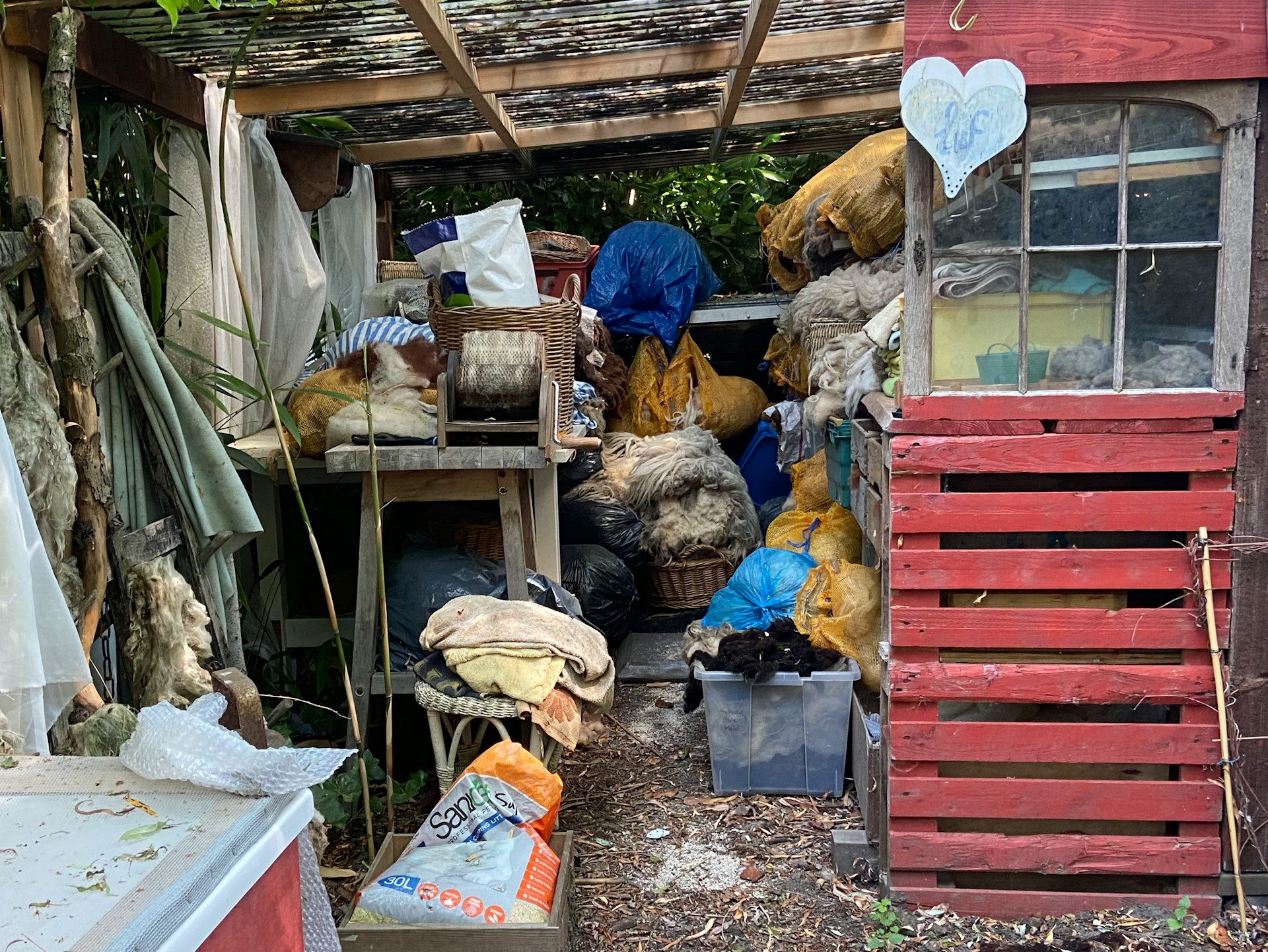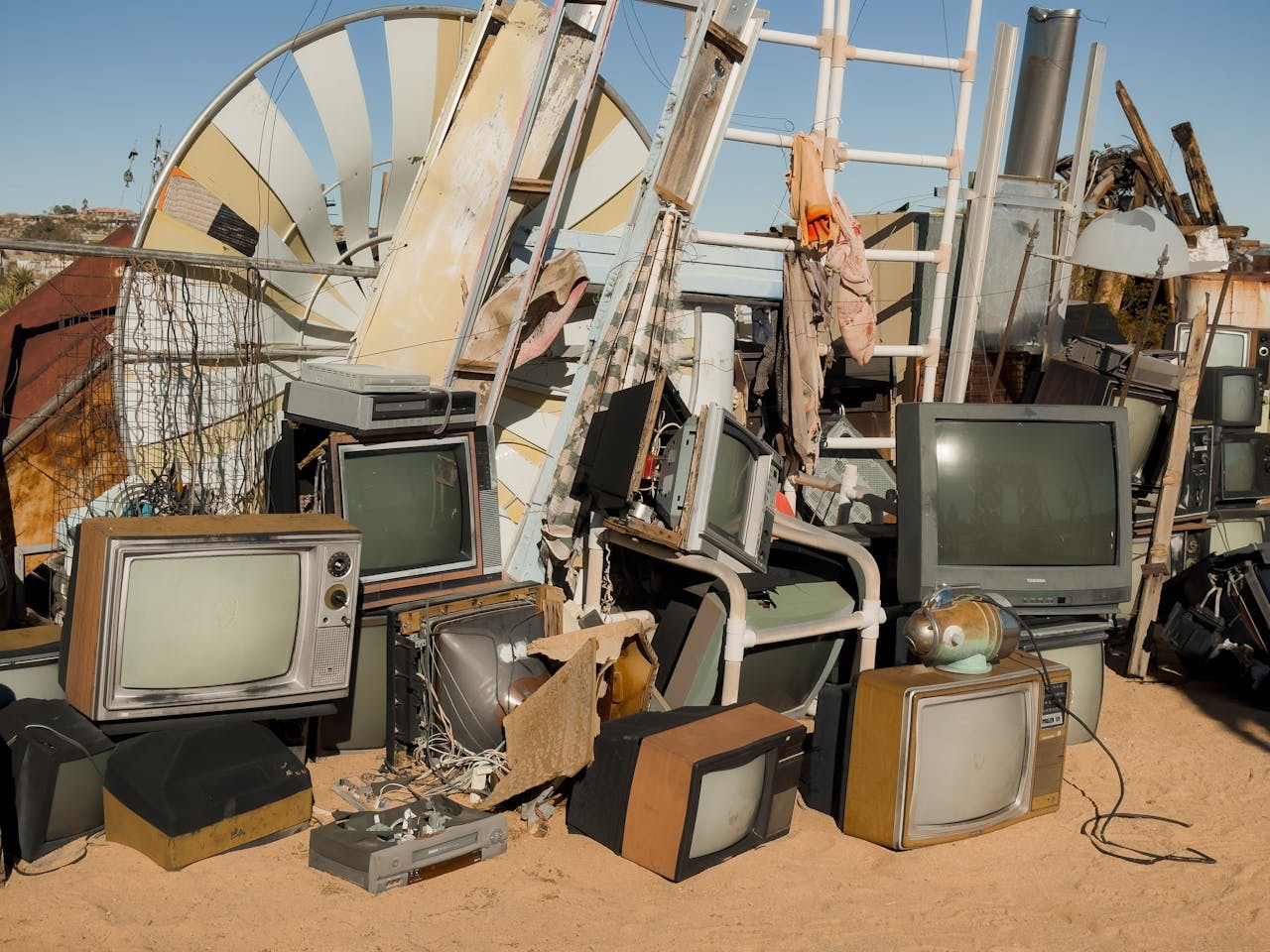

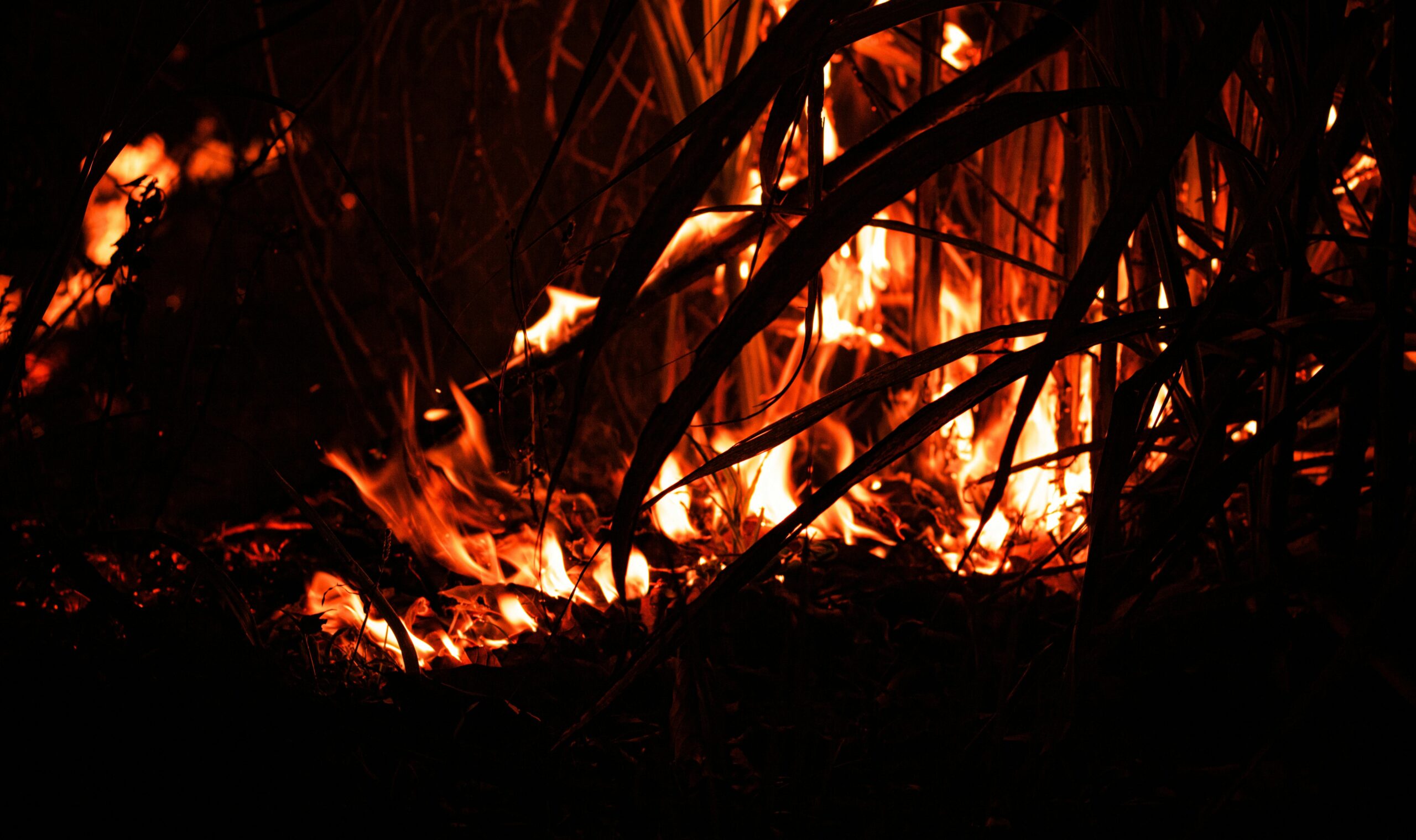
That old fridge in the garage. The noisy dryer in the basement. The dishwasher that looks like it hasn’t changed since the 90s. They still run barely so they stay.
If it works, why replace it?
Here’s the reality. Aging appliances aren’t just outdated. They can become serious safety risks. Worn wiring, overheating motors, hidden leaks, and rising energy use all add up over time. The longer they sit there, the bigger the risk gets.
At some point, keeping them costs more than letting them go. That’s when professional appliance removal makes sense not just for convenience, but for safety and peace of mind.
Knowing when to move on protects your home, your family, and your space. Here’s what really happens when appliances get too old and how to handle it the right way.
The Fire Risk Nobody Warns You About
Here is something that might surprise you. Old appliances start a lot of house fires. Way more than people realize.
Think about that old dryer. Every time it runs, it works harder than it should. Motors get gummed up with dust. Bearings wear out and start grinding. Belts slip and squeal. All that extra friction makes heat. And heat is how fires start.
Dryers are honestly the worst. Lint builds up in places you cannot even see. Not just the lint trap you clean out every load, but deep inside where you never look. Inside the walls of the machine. That lint is basically firewood. One spark and you have flames.
The numbers do not lie. Electrical problems from old appliances cause thousands of house fires every year across North America. We are talking nearly 25,000 homes going up in smoke annually.
Old fridges and freezers have compressors that kick on and off all day. When they get old, they run hot. The internal wiring becomes brittle and fractured. When that wires, you have a fire in a metal box of plastic. That plastic burns quick and spreads poisonous smell in your garage.
Even dishwashers are unsafe. The heating devices used to dry up your dishes start getting crusty with mineral deposits in hard water. They need to exert more efforts in order to achieve the correct temperature. In case the thermostat malfunctions, they can become hot enough to melt the plastic surrounding them.
In Maple Ridge, many people store appliances in the garages or basement. A fire down there can spread through the whole house before you even know it started.
The Stuff Nobody Thinks About
Here is something else that does not get talked about much.
Outdated appliances are loaded with things that are horrendous to the environment. And when they seep or disintegrate, that material does not simply disappear.
The refrigerators and freezers contain coolant. The ancient ones contain Freon or other chemicals that corrosion with the ozone layer. If the cooling system springs a leak, that gas goes right into the air we all breathe. They also have insulation that contains chemicals. More stuff that is bad for the atmosphere. When these units get crushed at the dump, those chemicals escape.
Then there is mercury. Mercury switches are common on the old appliances. Dish washers, washing machines, chest freezers. A single switch contains the amount of mercury that can poison an entire lake in case it gets into the wrong hands.
PCBs are another problem. The older appliances were using parts that contained these cancer causing chemicals. PCBs leak into the soil and groundwater when the appliances rust and deteriorate.
In Maple Ridge, we have the fortune of clean air and gorgeous nature. It is important to keep these toxins out of our land and water. The Ridge Meadows Recycling Society tries its best to dispose of the hazardous materials in the correct manner. But they can only do that if appliances actually make it to them.
The Energy Waste You Pay For Every Month
Here is the thing about old appliances. They are money pits.
A fridge from 1990 uses about twice as much electricity as a new one. Maybe more. That means every month, you are paying extra on your power bill just to keep that old box cold.
Over a year, the savings from replacing an old fridge can be hundreds of dollars. Over the life of a new appliance, thousands.
Same with dryers. Old dryers take longer to dry clothes. More electricity. More wear on your clothes. More heat stress on the machine itself.
Dishwashers use more water too. Old ones were not designed to conserve. Newer models use sensors to know how dirty the dishes are and adjust accordingly. Less water, less electricity, same clean dishes.
In Maple Ridge, where winters are wet and summers can be hot, appliances work hard. Making them work even harder because they are old just costs you money.
When Do Appliances Become Dangerous?
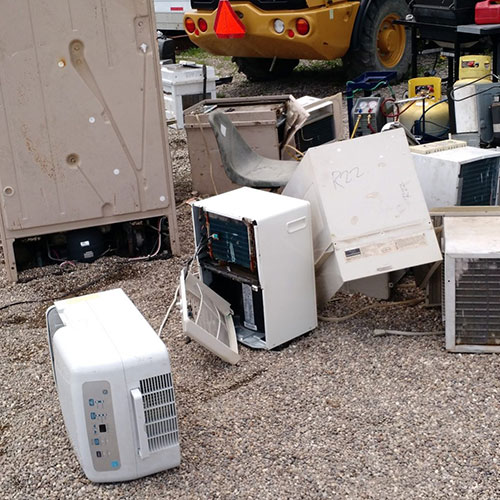
There is no hard and fast rule. But here are some signs.
Age. If an appliance is more than 15 years old, start paying attention. At 20 years, it is past its safe life.
Noise. Grinding, squealing, rattling. All signs that parts are wearing out. Wear means friction. Friction means heat.
Smell. Burning smells, fishy smells, even musty smells. Anything unusual means something is wrong inside.
Heat. If the outside of an appliance feels hot when running, it is working too hard. Shut it down and check it out.
Rust. Rust on the outside means rust on the inside too. Inside is where wires live.
Leaks. Water or coolant leaking means seals have failed. That is not just a mess. It is a hazard.
If you see any of these, it is time to think about appliance removal. Not next month. Now.
What About Appliances That Still Work?
Here is a common question. If it still runs, why replace it?
Because running is not the same as safe.
A dryer that still dries clothes but has lint buildup inside is a fire waiting to happen. A fridge that still cools but has a cracked compressor seal is leaking refrigerant. A washing machine that still washes but has a frayed power cord can shock someone.
Working does not mean safe.
Plus, old appliances fail when you least expect them. Usually on a holiday weekend when you cannot get a repair person. Or in the middle of summer when your freezer full of food thaws out.
Better to plan the replacement than have it forced on you.
What Happens to Recycled Appliances
When you do the right thing and recycle, here is what happens.
Refrigerants are captured by trained technicians using special equipment. Those gases are either destroyed or recycled properly. They do not go into the air.
Mercury switches are removed and sent to hazardous waste management. They do not end up in our rivers or soil.
Metals are recovered. Steel, copper, aluminum. All melted down and made into new products. Less mining, less energy, less waste.
Plastics are separated and recycled where possible. Some become new appliance parts. Others become other plastic products.
Glass from old TV screens and appliances gets recycled too.
In Maple Ridge, organizations like Ridge Meadows Recycling work hard to keep as much as possible out of the landfill. When you recycle your old appliances, you are part of that effort.
What to Do Right Now
Here is a simple plan.
Walk through your home and garage. Make a list of every appliance older than 15 years.
Check each one for signs of trouble. Noise. Smell. Heat. Rust. Leaks.
Decide which ones need to go. Be honest with yourself.
Give Kinsley Junk Removal a call. Our experts will come to you, do all the heavy lifting, and make sure everything gets sorted properly. No back pain. No trips to the depot. Just gone.
Replace them with newer, safer, more efficient models.
Then sleep better knowing your home is safer and your power bill will be lower.
FAQs
Generally, anything over 15 years should be carefully monitored. By 20 years, replacement is wise. Some appliances like water heaters have even shorter safe lifespans.
Yes. Electrical issues in old appliances cause thousands of house fires every year. Dryers are especially risky due to lint buildup and worn parts.
Toxicant refrigerants that destroy the ozone layer, mercury switches that poison water, PCBs that cause cancer, and heavy metals that poison soil. All need proper handling.
No. Appliances cannot be placed in normal curbside garbage. Hazardous materials should be handled with special care.
Licensed technicians capture it using special equipment. It is either destroyed or recycled so it does not harm the ozone layer.
If it is old and showing signs of wear, yes. Working does not mean safe. Plus, new ones use less energy and save you money over time.
Unusual noises, burning smells, hot surfaces, rust, leaks, or anything that just seems off. Trust your gut.
The Bottom Line
Look, here is the simple truth.
Old appliances are not just outdated. They are risky. Fire risk. Environmental risk. Financial risk from high energy bills.
If you have appliances in your Maple Ridge home that are getting up there in years, take a good hard look at them. Check for warning signs. Think about what it would cost to replace them if they fail at the worst possible time.
Then make a plan. Get rid of the old ones properly. Not on the curb. Not in the regular garbage. Through proper channels where hazardous materials are handled safely.
That is where Kinsley Junk Removal comes in. We do the heavy lifting so you do not have to. We make sure everything gets sorted right, recycled where possible, and kept out of places it should not be. One call, and it is handled.
Your home will be safer. Your family will be healthier. The environment will thank you. And your power bill will go down.
That is a win all around.